
Francesco Piemontesi's breathtaking musicality, live at Wigmore Hall
Piemontesi is welcome back any time
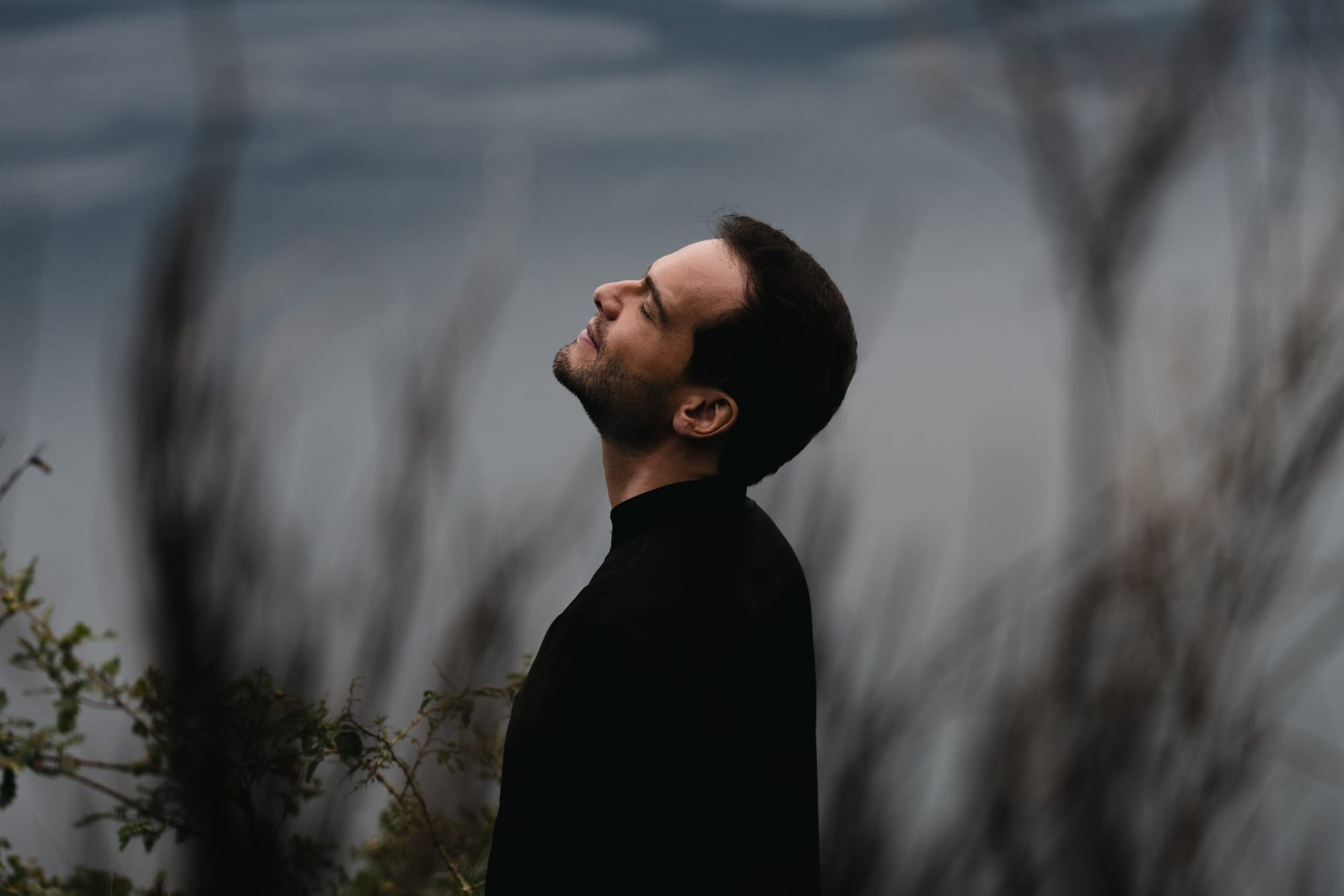
Schubert, Liszt Francesco Piemontesi (piano). Wigmore Hall, London, 04.05.2026
Schubert Piano Sonata No. 18 in G, D 894 (1826)
Liszt Années de pèlerinage, première année, Suisse, S 180 (1848-55)
I first encountered Francesco Piemontesi’s beautifully musical pianism via his recording of the Swiss years of travel, the focus of this concert’s second half: that release was accompanied by an atmospheric film. Then, in May 2024 as part of the Dresden Musikfestspiele at the Palais im Grossen Garten, Piemontesi delivered finely considered Beethoven (two sonatas: the ‘Waldstein, ‘ and Op. 109) alongside Book II of Debussy’s Prèludes (link).
Piemontesi is no stranger to Schubert, either: he has recorded the great final trilogy of sonatas (D 858-60) for Pentatone. Here, we had the expansive G major Sonata, D 894, of 1826, famous (notorious) for its avoidance of any sort of marked velocity. The finale is an Allegretto, the second movement an Andante, and the third, a Menuetto, even has a ‘moderato’ qualifier to its “allegro’. But nowhere says introspective reflection like D 958’s first movement: marked Molto moderato e cantabile, its demands on the pianist are the polar opposite of Liszt’s prestidigitation. Instead, the challenge is to let the music unfold, allowing cantabile and Schubert’s striated registral plateaux to register, all within a complete grasp of Schubert’s structure. Piemontesi was spellbinding: perhaps only Uchida fares better, or as well. But the real point is that Piemontesi made me forget comparisons in the moment. True, I expected a deeper bass in the opening chord, but it was carefully calculated (the same could be said of his performance at the Wigmore available on YouTube, streamed in October 2020).
Perhaps in this same hall in 2026 there was a tendency to (slightly) over-project; but how beautifully timed were Piemontesi’s silences, how full of meaning.
There was a profound sense of stillness to the Andante, too, both cantabile and legato; an ideal sense of space, with decorations superbly articulated, and expertly differentiated from the theme proper. If the very initial rhythm of the Menuetto was blurred, it was the exception; and later, characterful acciaccaturas took over, too. As for the pastoral Trio, was that the equivalent, in context, of a ‘sneak peek’ of the ‘Eglogue’ from the Liszt heard later?
There was much that was bold about the finale, including unexpected force to the opening statement. Gorgeously even staccato met a reading that was deeply alive, and ultimately exceptionally human. Throughout the entire sonata, Piemontesi’s grasp of Schubert’s voice-leading was complete, while his structural overview was magnificent.
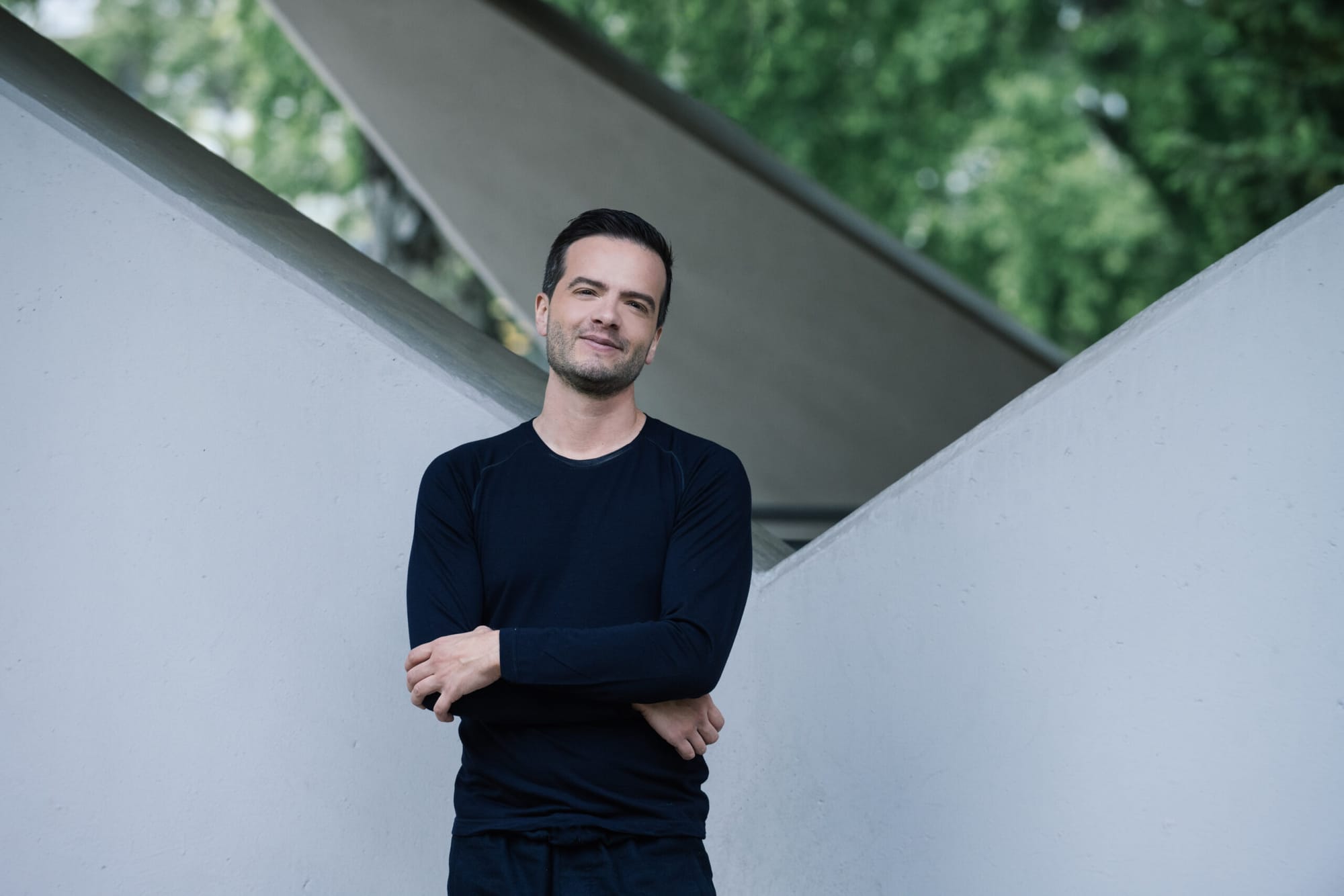
... but nothing could really prepare for the majesty of the second half. This music runs in Piemontesi’s veins, something clear right from the opening, sonorous chords of ‘Chapelle de Guillaume Tell’. It takes a great Liszt player to make the prevalent tremolandos work so well; just as it takes a great player to project such a sense of breadth.
There is an underlying lyricism to Piemontesi’s Liszt, but his power brings to mind the likes of Bolet and Nyiregyházi (the latter on a good day!). That lyricism was perfect for the glowing A flat major of ‘Au lac de Wallenstadt’ (the marking is ‘Andante placido’); as was Piemontesi’right-hand octave legato. Piemontesi realises, and executes, Liszt’s highly calculated inter-movement contrasts to perfection. As to ‘Pastorale’, it was a fine reading, with its drones, but the tricky contrasting sections (‘un poco marcato’) lost some detail. As if to compensate, how easy the tricky hand-crossings of ‘Au bord d’une source’ sounded.
Liszt in decidedly outward-facing mode is present in ‘Orage’ (Storm), and Piemontesi did not disappoint, his left-hand octaves given at lightning velocity, those contrasting passages of thirds against octaves telling and exciting. The (notated) cadenza seemed to speak of the storm’s very soul; or perhaps Liszt’s tormented one. That idea seemed born out by the depth of 'Vallée d’Obermann', Piemontesi’s left-hand an expressive cello. Interestingly, Piemontesi made ‘Obermann’ sound remarkably like late Liszt, with an emphasis now on bass sonorities. ‘Recitative’ passages were beyond criticism, but most important of all was Piemontesi’s structural grasp. The ensuing ‘Eglogue’ was much needed, a perfectly paced ‘Allegretto con moto,’ just as Liszt asks.
Were those horn calls across an Alpine valley at the opening of ‘Le mal du pays’ (Homesickness)? The tenderness later in this movement was extraordinary, though, the sustaining pedal used effectively and also linking to the bells of ‘Les cloches de Genève,’ In this last movement, Piemontesi extracted a beautiful resonance from his instrument, overtones both ripe and rife. There was a sense of sung melody to the right-hand here, too, open and lovely, set cruelly against soul-tortured, low-lying near-clusters.
This whole concert was a terrific achievement. Two encores to appease the enthusiastic crowd: Bach/Kempff Wachet auf, and Chopin/Godowsky Study No. 25 after Chopin Op. 25/1 (third version), as carefully considered an offering as the main programming.
Safe to say, Piemontesi is welcome back any time. The Schubert set on Pentatone referenced above is available on Amazon here;; Book 1 of the Years of Travel is here, Book 2, Italie, here.