
Sandrine Piau at Wigmore Hall
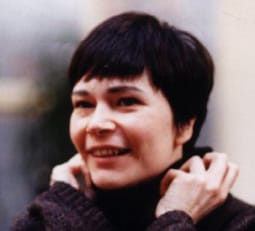
Wigmore Hall 125:Schubert, Clara Schumann, Wolf, Poulenc, Lili Boulanger, Ravel, Jeanne Bernard Sandrine Piau (soprano); David Kadouch (piano). Wigmore Ha, 1pm, 09.02.2026
Schubert Schwanengesang, D 957: Liebesbotschaft; Ständchen; Am Meer.
Clara Schumann Ich hab’ in deinem Auge, Op. 13/5. Ich stand in dunkeln Träumen, Op, 13/1. Lorelei (1843). Scherzo No. 2 in C minor, Op. 14 (1845).
Wolf Morike-Lieder: (1888) Verborgenheit; Begegnung; Auf ein altes Bild.
Poulenc Six songs from La courte paille (1960).
Lili Boulanger Cortege (1914)
Ravel Cinq mélodies populaires grecques (1934-6)
Jeanne Bernard Trois Chansons de Bilitis (1933)
No interval, but a recital of two halves, he first exploring Austro-Germanic Lieder, the second over to Piau’s native France for a mix of the well-known and the less so. PIuhas impressed on multiple occasions, including in a delectable Mozart concert also at Wigmore Hall, this time with the Orchestra of Classical Opera under Ian Page (review), while her Pamina Zauberflote in Gstaad a few years ago was unforgettable. . David Kadouch is a different story, though, his Beethoven (Triple Concerto) at the Barbican with Insula in 2016 rather disappointing (review). At least in the earlier, Austro-Germanic part of the recital, those judgments held out.
Familiar Schubert first, though, three songs from Schwanengesang. The Rellstab setting ‘Liebesbotschaft’ found somewhat pedestrian playing form Kadouch, his three quaver anacruses rather unanimated. In contrast, Piau - sounding wonderful - was the epitome of Schubertian grace right from the opening ‘Rauschendes Bächlein’ (Mumuing booklet). The darker hue of ‘Standchen’ (Serenade) was emphasised by a generally slow tempo; and while Piau’s legato was a thing of wonder (as were her realisations of Schubert’s decorations of line), Kadouch remained rather monochrome and even plodding. Over to Heine for “Am Meer,’ and a more concerted effort, the darkening a the this stanza (especially ‘Seit jener Stunde verzehrt sich mein Leib’; I watched them fall on your hand’) most effective. Yet even here Kadouch’s over-emphasis of lines in the texture was trying.
How wonderful to have songs by Clara Schumann here. First, two of the six Lieder, Op. 13. Rúckert now: the easy flow of ‘Ich hab’ in deinem Auge’, opening to a delicious expansiveness at ‘Eunmal die Rosen des Himmels sehn’ (I saw on your cheeks the rose of heaven’. Only one slight problem (that was to recur sporadically): oo much diminuendo a a phase ending can result in the final syllable getting rather lost, as in the first line of the final stanza (‘Und niemals werd’ ich die Wangen seh’n’; And never will I look at your cheeks …). . The first song of Op. 13 sets Heine, compositionally a better song but again some syllables got lost (‘Und ach, ich kann es nicht glauben’; and ah, I cannot believe …’). Somewhat riven with post-Schubetian angst (and surely influenced by that composer’s Der Zwerg), Lorelei of 1843 bought out Piau’s story-telling abilities, while Kadouch gave his finest performance yet, the song rising to a nicely fatalistic and grim end.
Hee's Piau nd Kadouch in moe Clara Schumann: "Sie lieben such beide," also vom the Op. 13 set:
Kadouch got his moment in the spotlight (Piau sitting to the side of the stage) with Clara’s Scherzo No. 2 in C minor, Op. 14. No doubting the stormy minor mode. Nods to Chopin, surely, but also a central contrasting section intensely wedded to Lied. Here's a performance from YouTube with score:
It is always good to have some Hugo Wolf. his maverick, unpredictable composer offered the world song after song of pure genius in myriad styles. ‘Verbogenheit’ (Withdrawal) has a lovely chromatic ;’sway’. Again, a touch too much end of phase diminuendo for the diction to survive intact (‘Lasst dies Hez alleine haben’; Let this heart keep to itself) and, here, a slightly untidy pedal clearance from Kadouch. ‘Begegung’ (Encounter) is stormier, impetuous, the piano pat tough and well delivered, very even and rapid from Kadouch. ‘Auf in altes Bild’ (On an old painting) is another side of Wolf, a calm chorale ceding to a line of astonishing purity (in and of itself, and in this performance by Piau).
Here's Piau and Kadouch's recoding of 'Auf in altes Bild’':
To France, then, and the inimitable, individual world of Poulenc. A rare opportunity to hear songs from his last song-cycle, La courte paille (The Short Straw, 1960); six of seven songs to texts by Maurice Careme. The programme booklet, text, and (after hearing the BBC broadcast) the announcer all stated the first song we heard was ’Quelle Aventure’ (What goings-on’) as the announcer said ,a tale of an elephant's adventures. But actually first we had the first song of the cycle, ‘Le sommeil’ (“Le sommeil est en voyage’; Sleep has gone off on a journey). Appropriately lullaby-like and yet Poulenc–spiced, his was simply beautiful . Poulenc ends with a sense of anticipation for the next song (the first listed): now, we got ou elephantine adventure. ‘Mon Dieu!’ came Piau’s exclamations against Kadouch’s beautifully spicy contribution. Then came a song very close to a French popular music ballad, ‘La reine de coeur’ (The queen of hearts), at least until a cloud passes over. This was a beautiful performance clothed in deepest melancholy, only the arrival at ‘lune’ offering hope. ‘Ba, be, bi, bo, bu’ is a French patter song, brilliantly done here before the anglickals of ‘Les anges musiciens’ (The angel musicians’ arrived, its gentle sway balancing the opening lullaby. If ‘Le caraton’ (The baby carafe) offers Poulinc in acidic mood (Kadouch offering great staccato here), ‘Lune d’avril’ is pure beauty, heard here in a performance of equivalent power.
Hee's 'La reine du cœu" on a vidé for David Kadouch's YouTube:
Lili Boulanger’s Cortège is terrific: Ladouch’s left hand was beautifully articulated, light against the more legato right. Some lovely harmonic twists around, too. Over to Greece via, of course, France: Ravel’s five Melodies popu;ires gecques. Kadouch’s touch was magical, suspending time in ‘Chanson de la mariée’ (The bride’s awakening), complemented by Piau’s superb phrasing. ‘Là-bas, vers l’eglise’ (Down there by the church) delivered with heavenly purity by Piau against perfectly even piano spreads and bell invocations. Over a sea of audible page turns, Piau valiantly delivered ‘Quel galant m’es comparable?’ (What gallant can compare with me?) before the magnificently bare-textured ‘Chanson des cueilleuses de lentisques’ (Song of the lentisk gatherers: ‘lentisk’ = mastic). ‘Tout gai!’ (So merry!) is the concluding song, full of perfect ‘snaps’ on the piano.
But it was the final set of songs that really intrigued. Jeanne Bernard (1895-1965), an enigmatic composer, 20 or so of whose scores are housed in the Bibliotheque Nationale de France. The texts by Piere Louys, have fascinated a number of composers (including Debussy). No missing the sultry Impressionism of ‘Les petis enfants’ (The little children), the piano actively imitates water at ‘Tant la riviere est basse’ (the river is so low) and full of contacts derived from the text. Impressionist, yes, but wholly individual and, a one harmonic progression, decidedly Wagnerian. ‘Les contes’ (The tales) is about children sounding ‘Biliis’ (a possible contemporary of Sappho). Finally, another lullaby ‘Berceuse’), perfectly paced, the only problem Kadouch’s slightly messy pedal clearance on the final chord.
One hour, almost exactly. Nice to hear the Bach-based ‘A Chloris’ by Reynaldo Hahn (which goes decidedly off-piste in its bare-bones diversion before returning home) as an encore.
Sandrine Piau ad David Kadouch's Alpha disc, Voyage intime, is available here. Streaming below.