
Fischer: Hymns & Psalms
Living proof the byways of the Baroque are fertile indeed; and I want to hear more of Ensemble Gloriosus and Patrick Debrabandere!
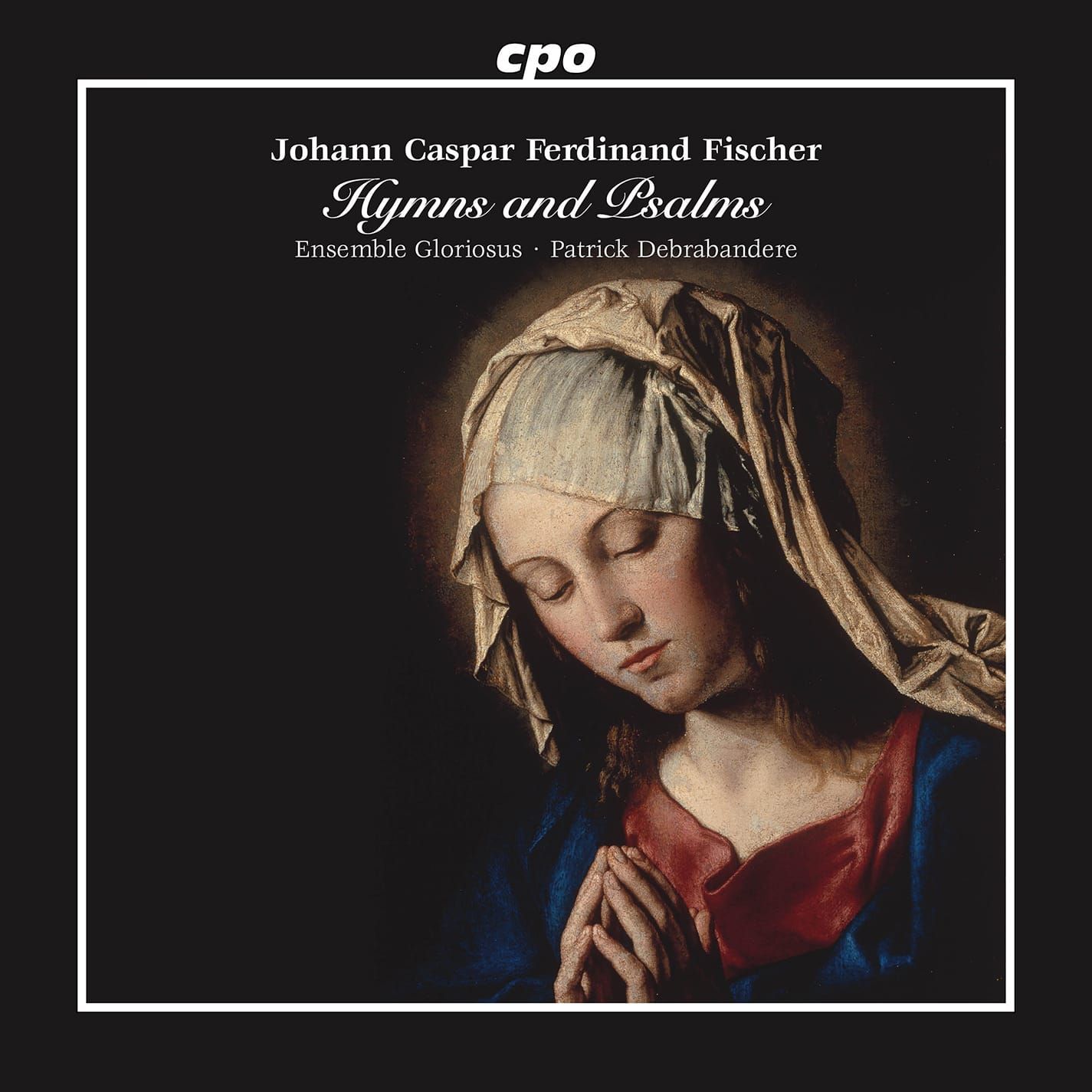
A selection of 17 pieces launched by Johann Caspar Ferdinand Fischer (1656-1746) launched by “Honori Purificationis BV Mariae” (In Honour of the Purification of the Blessed Virgin Mary) from Lytaniae Lauretanae and crowned by one oft he most moving Magnificats I have ever heard. In between a stream of antiphons, psalms, and sundry sacred pieces, including one that is just 23 seconds long (Leva ejus).
Let's get any confusion out of the way, as there are two Johann Fischers. Whether this one is often called "Fredinand" because of that I know not but the other was notiste (scribe) to Lully; our Johann Caspar Ferdinand Fischer lived from around 1656 until 1746.. The problem is, there is not so much of our Fischer extant, so we are lucky to have this disc: and yet he was highly regarded by Forkel (Bach's first biographer).
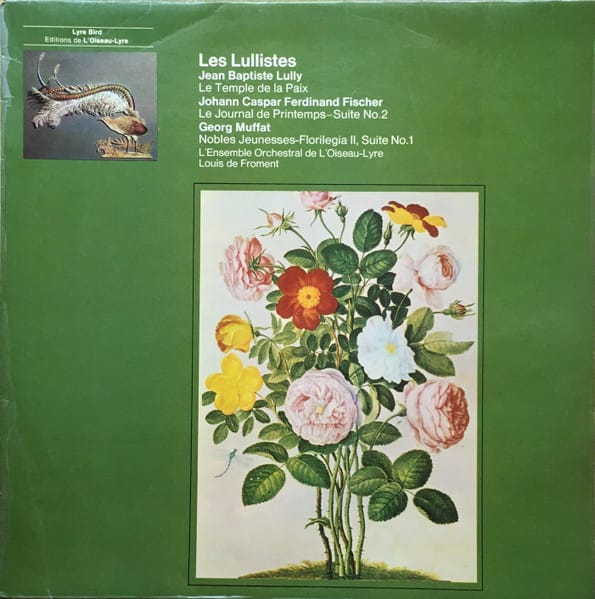
Given Fischer's relationship to Lully, the coupling of that composer, Fischer and Muffat on an old L'Oiseau Lyre LP entitled, "Les Lullistes" makes sense;; Grout called Fischer's Journal de Printemps (1695) "one of the finest documents of German Lullianism," commending Fischer's "great melodic inventiveness and solid workmanship .. that puts such minor composers as Aufschnaiter and Mayr to shame"
Here, Ensemble Gloriosus under Patrick Debrabandere is a crack group, 13 vocalists (most of whom act as soloist at one point or another) plus two violins, cello bass, organ, alto, tenor and bass trombones. It all comes together beautifully in the opening “Honori Purifactionis". Instrumental doublings work perfectly, and Debreabandere has the full measure of this music, imitations packing real emotive weight, and how laden the full choir "Misereres"
Fischer's 1701 collection of vesper psalms (Augsburg) was the inspiration for this vesper service as it might have been heard in Schlakemswerth (Bohemia, now Ostrov) - Fischer was Kepellmeister there for a quarter century. That first piece, along with the three antiphons that follow and its companion "Honori Immaculatae Conceptionis BV Maria" are all taken from Fischer's Op. 5 (1711).
The key to Fischer's style is his studies in Dresden where he studied both strict counterpoint and the French style as exemplified by Lully. In Dresden, he probably studied with the music theorist Christoph Bernhard, and he also met Georg Muffat, - it was in Muffat's library he found fascination with Lully's music.
The Mary/Divine Feminine aspect is explained by the dominance in Schlackenwerth of the Spanish Piarist order (which venerated the Virgin Mary). So it is that the Lytaniae is based on a 12th-Century group of litanies for her. The opus also included four Marian Antiphons (Nos. I, IV, and II follow the opening piece). The counterpoint in these psalms is remarkable, but so is the sheer beauty: here's Antiphon II: Alma Redemptoris Mater in a filmed version by these performers:
This recording combines pieces from Fischer's publications to provide a full service: the Op. 3, for instance, from 1701, contains two Magnificats and 16 psalms. Unsurprisingly, the Salve Regina (Antiphon IV) is wonderfully interior and touching:
Listen, too, to the plainchant that opens Antiphon II: Ave Regina caelorum and how that is contrasted with the rich chordal passages later, themselves juxtaposed with clear dance rhythms:
The "Honori Immaculatae Conceptionis BV Maria" takes us back to the Litaniae, serious and yet internally aglow. Solo voices are particularly impressive, particularly perhaps the alto:
That seems to mark a rather nice divide in the programme. A sequence of five psalms follows, beginning with 109, the famous Dixit Dominus. These psalms are all short, and often packed with incident, the imitation in Dixit almost breathless, but with the most lovely, rhythmically buoyant "Sicut erat in principio":
The plainchant at the beginning of Confetibor (Psalm 110) acts in perfect contrast, and the music is significantly more laden:
Two "Laudate"s follow, ... pueri (Psalm 112, Praise ye the children) and ... sum (Psalm 121, I rejoiced). The performances are faultless, while the approach to cadences in Psalm 112 particularly impresses:
Laetatus sum is almost a courtly dance in the instruments, and their jauntiness seems to infect the voices at "Jerusalem". Here, surely the secular bleeds into the sacred:
But how inventive the staccato opening of Nisi dominus (Psalm 126, Unless the Lord), almost drops of sound that coalesce into counterpoint. And, while the preceding tracks include some cracking dissonances at times, they all seem to lead to this:
The inclusion of the plainchant Ave maris stella is perfectly judged, prefatory to final Magnificat. Itself beginning with a solo line before instrumental doublings kick in, this is a glorious unfolding, slow, like light entering our souls
Living proof the byways of the Baroque are fertile indeed; and I want to hear more of Ensemble Gloriosus and Patrick Debrabandere!
Available from Amazon here; streaming below, except for iDagio here.