
Cycle de berceuses: Sabine Devieilhe and Mathieu Pordoy at Wigmore Hall
How much pleasure the evening afforded; and how much there was to learn, too
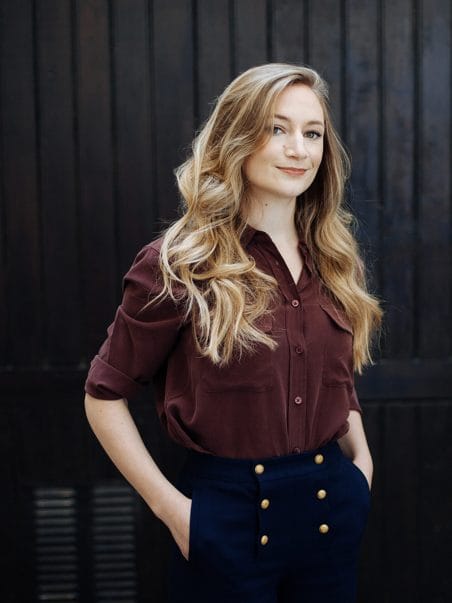
This was recital progamming of the very highest level, the first half a cycle of lullabies; the second a celehration of the female creatrix in Her various forms.
It all opened with a fisher boy (not a fisherman as the Wigmore's freesheet claimed) from Liszt's Lieder aus Schillers 'William Tell,' S 292, a tale of supernatural abduction blessed with Devieilhe's long lines and Mathieu Pordoy's watery pianism. The piano part is emphatically of Liszt in fluid mode, the second stanza notably stomier. Devieilhe does have a quick vibrato, but it is not tremulous.
The composers represented in the cycle of lullabies (a charm of lullabies?) offered a nice mix of the familiar and discovery. A pity Devieilhe's spoken introduction was rendered inaudible by a latecomer.
Joseph Hadar's Erev shel shoshanim (Evening of Lillies, to a text by Moshe Dor ) was he first of the sequence. Rather Canteloube-like, it was a luscoous opening that led to the feline imitations from both singer and pianist of Jacqueline Mani's Le Petit chat triste (The sad little cat). Charming in extremis, it sat in maximal contrast to one of Schubert'st best loved (and best) songs, Du bist die Ruh' (You are repose), D 776. Here, ostensible simplicity masks incredible profundity. Perhaps it best not to dwell on the depth too much as it upsets that fine balance, though: Devieilhe and Pordoy's reading was almost Mahlerian in its breadth; interestingly, the text is by Friedrich Rückert. Devieilhe exhibited superb breath control up the climactic high note, though.
Two Schubert songs were separated by a Cossack lullaby (anonymous, but apparently 1987). It was rather lovely; but how strong the depths of Schubert's Nacht und Trüume, D 827, Devieilhe's delivery a study in the marriage of diction and legato.
Devieilhe enjoys a natural affinity for the songs of Richard Strauss (see this previous post); good to have Meinem Kinde (unforgettable performances by Schwarzkopf and Jessye Norman, plus others, cast quite the shadow, though). The recital moved to the far darker Die Nacht, Op. 10/3, a fine contrast. Devieille's Liszt, though, is so special, as Quand je dors, S 282 proved, the perfect musical combination of singer and pianist. Her Grieg was an unknown factor to me, but Ein Traum, Op. 48/6 offered a delightful close to the sleepy cycle. A magical daisy chain of melody, heard in spellbinding performances. Magic was in the air.
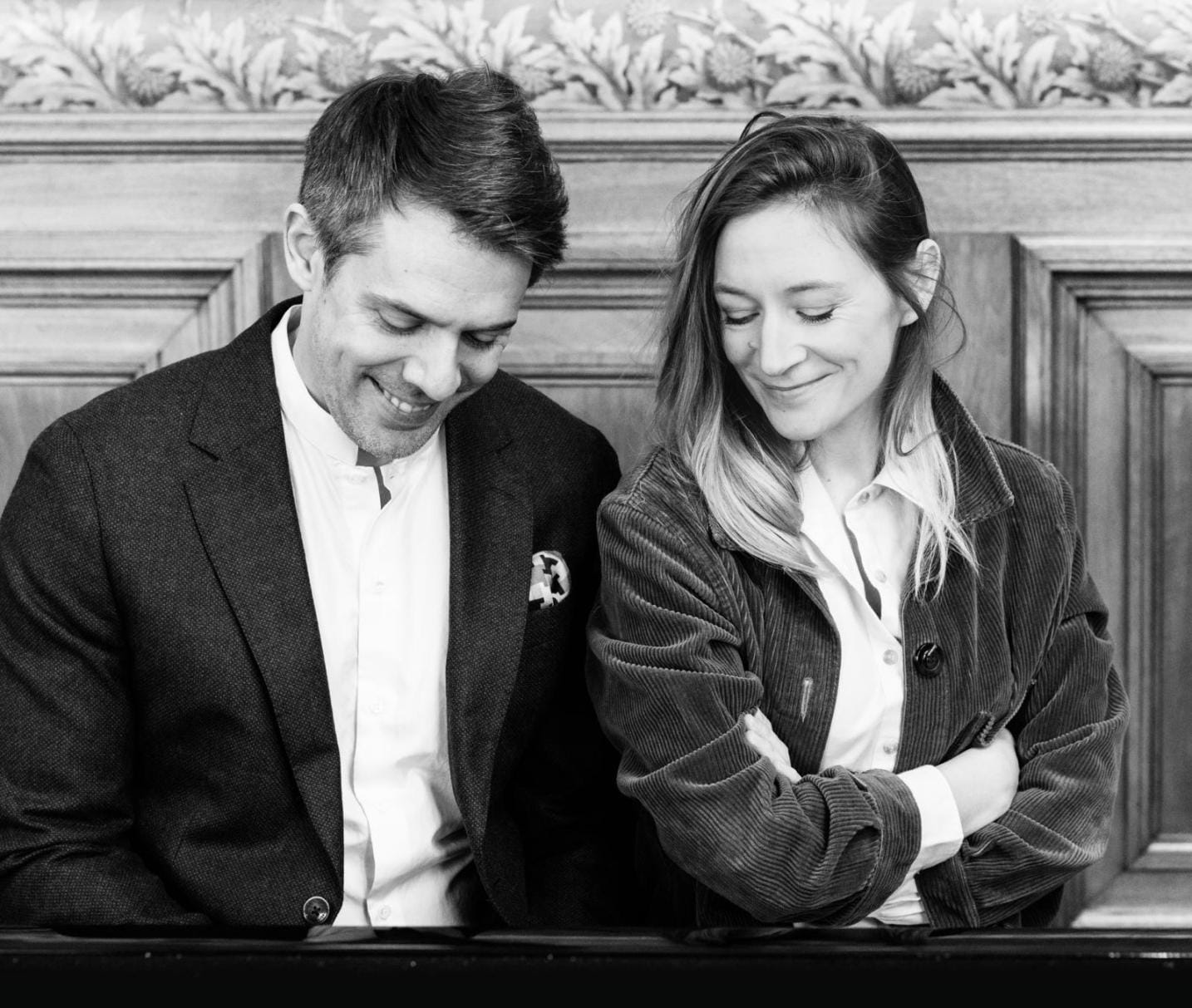
This was a short recital (over around 910 pm) but significant and perfectly formed. Part II was a celebration of the feminine. Songs by Lili Boulanger, Chaminade, Tailleferre and Marguerite Monnot alternated with more Richard Strauss, Milhaud, and a solo piano piece by Poulenc.
Strauss saw beauty in cornflowers for his 'Kornblümen' from his Op. 22 Mädchenblumen to Felix Dahn's text ('Cornflowers are what I call these girls ...', a suave and assured lead-in to two songs from Lili Boulanger's Clairières dans le ciel, the post-Debussy 'Elle était descendue au bas de la prairie,' and the harmonic lift of 'Elle est gravement gaie'. Another song from Strauss'Op. 22: this time poppies are the chosen flower. This was so impeccably Straussian: Devieille is born to sing this repertoire. A final song from Lili Boulanger's Clairières followed: 'Un Poète disait,' with its chattering piano and fine characterisation from Devieillhe.
Ivy was the next plant from Op. 22, its piano part surely linked to the famous 'Morgen,' and another triumph. Cècile Chaminade was a fine pianist (as available recordings attest): and obviously an equally fine composer of songs. Her setting of Rosemonde Gèrard's 'Ma premiére lettre' offered more of a turn to narration before Germain Tailleferre's 'Non la fidélité,' vocally agile and flawless; her phrasing in 'Mon marie ma diffamée' (My hisband has slandered me) phenomenal, rounding off the trio of songs with 'Les trois présents'.
The sole piano interlude was Poulenc's homage to Edith Piaf (the Improvisation No. 15 of 1959), an acknowledgement of Piaf's importance and performed with real feel for Poulenc's harmonic sleights by Pordoy.
We all need more Milhaud in our lives. Prolific he might have been, but his music just breathes life. We've had flowers; here was a bird, a swallow from the 1941 Chansons de Ronsard (Pierre de Ronsard, that is). A French patter song, spiky in both piano and voice, it was both a point of delight and a pointer towards further investigation of this wonderful composer's output.
Marguerite Monnot (1903-61) is a name new to me. Her Hymne à l'amour sets Edith Piaf. and is a tribute to Piaf's lover, the boxer the boxer Marcel Cerdan, a perfect close.
Even with encores this was a short recital: a Fauré song (Au bord de l'eau) , Une nuit au poulaille (Lafarge), and 'Voyage à Paris' from Poulenc's Banalitės. But how much pleasure the evening afforded; and how much there was to learn, too.
he R. Strauss/Mozar disc is available from Amazon here.
Programme:
Franz Liszt – Die Fischerknabe. Cycle berceuses: Joseph Hade - Erev shel shoshanim. Jacqueline Mani – Le Petit chat triste. Franz Schubert – Du bist die Ruh'. Anon – Berceuse cossaque. Schubert – Nacht und Träume. Richard Strauss – Meinem Kinde. Die Nacht. Franz Liszt – Oh! Quand je dors. Edvard Grieg – Ein Traum.
Richard Strauss –Kornblumen. Lili Boulanger – Clairières dans le ciel: Elle ètait descendue au bas de la prairie; Elle est gravement gaie. Richard Strauss – Mohnblumen. Lili Boulanger – Clairières dans le ciel: Un poète disait. Richard Strauss – Eleu. Cècile Chaminade – Ma première lettre. Germaine Tailleferre – Chansons françaises: Non la fidelité; mon marie ma diffamée. Les trois présents. Francis Poulenc – Improvisation No. 15 in C minor, 'Hommage à Edith Piaf'. Darius Milhaud – Tay toy, babillarde arondelle, Op. 223/3. Marguerite Monnot – Hymne à l'amour.
Wigmore Hall, London, 14 January, 2026