
Mozart & C. P. E. Bach at La Seine Musicale
Equilbey and her forces persuaded, beyond any doubt, that CP Bach's Magnificat is a masterpiece

1779 was a good year for choral music: Mozart produced his Mass in C minor, K317, the so-called Krönungsmesse or Coronation Mass, while C. P. E. Bach gave us the final version of his Magnificat. And it was in that order we heard them: Mozart's Mass is one of his shorter ones (although it is not a Missa brevis). It is known as the “Coronation Mass,” but it was not composed for such an occasion; it did however gain currency as such later on. C. P. E. Bach's Magnificat is actually longer, but perhaps the placement was also there to draw attention to the stature of Bach fils' work. And it is a fine work in is own right.
One day after a concert by Vincent Dumestre and Le Poème harmonique at the Versailles chapel, the surroundings of La Seine Musicale seemed rather modern in comparison. Yet the Boulogne-Billancourt acoustic allows for all detail to come through (that of Versailles is more problematic from this perspective). And there are few if any choirs finer than accentus. Choral lines were beautifully clear, matched by the punchiness of Insula Orchestra. Mozart's Mass opens with bright yet broad Kyrie; Insula's strings offered maximum definition, while hard-sticked timpani articulated crisply. Mozart introduces the soloists here, too: soprano Sandine Piau was in particularly radiant voice.
Something of the light of the Kyrie informs the Gloria; and how well Piau's voice worked with the solo tenor, Fabio Trümpy. When it comes to the Credo, Equilbey almost encouraged the players to add a feeling of the dance to the equation (more so than on her Erato recording with this choir and orchestra); this meant the solemnity of the Sanctus made more effect, especially given the depth of the strings. It was the strings und Equilbey's expert direction that excelled, introducing the solo voices, in the Benedictus, so eminently Mozartian and stylish. And the soloists did work well as a group – unfortunately, taken out of the ensemble and on his own, baritone Gerrit Illenberger (replacing Alexander Grassauer) iniially emerged as rather over-vibratoed.
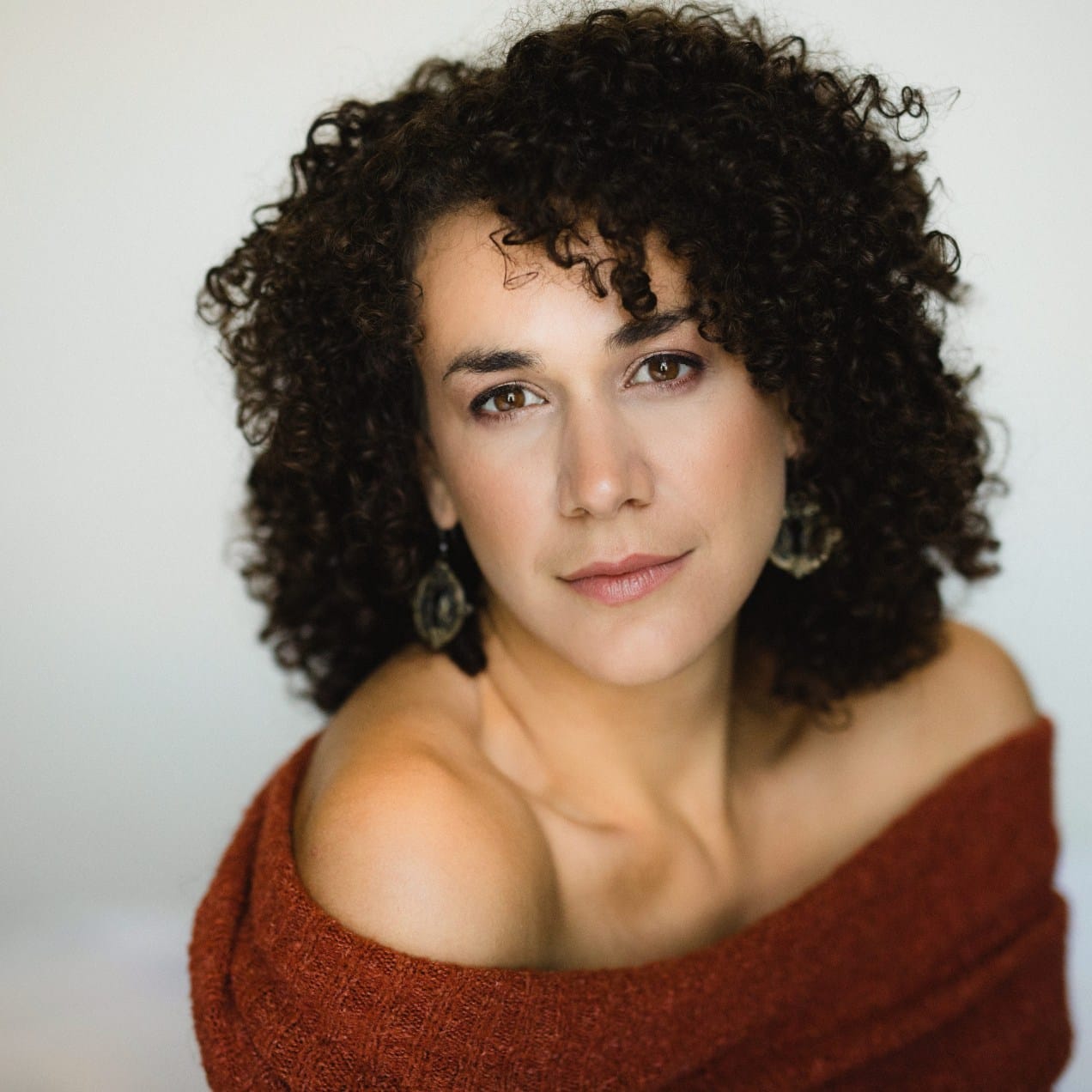
The theme of the Agnus Dei, well sung by Piau, has, as various commentators have pointed out, share much with 'Dove sono' from Le nozze di Figaro. Here, it was a moment of grace, even if Piau's voice has lost a touch of its inherent beauty these days. But the discovery of the evening was the alto soloist, Rose Naggar-Tremblay. Trained at McGill Univesity in Canada, she has a beautiful, firm voice, as perfect in ensemble as in solo.
It was actually the C. P. E. Bach Magnificat that drew me to Paris, though. Although composed in its first version in 1649 in Berlin, the final version was completed prior to 1779. All of those C. P E. Bach tropes are there: sudden juxtapositions and angular lines are very much part and parcel fo this. There was no doubt Equilbey fully appreciated the piece's importance: the opening fizzed with energy. And here, that capacity for detail came through in spades, particularly in the very active string parts.
Dynamism cedes to lyricism in the “Quia respexit,” Piau as eloquent as can be. And here is some of C. P. E.'s most magnificent scoring in this movement: the soloists are joined by flutes, with the bassline on violas. It was pure magic.
It was the tenor, Fabio Trümpy, who gave a rather mixed account of the difficult “Quia fecit,” rather over-vibraoed and yet able to navigate the rapid-fire passages. Interestingly, baritone Gerrit Illberger felt much more a home in the second half of the evening, his “Fecit potentiam” much more focused, the melismas well delivered. And Naggar-Temblay, in duet with Trümpy in the “Deposuit potetes de sede,” absolutely shone. It was in her solo, “Suscepit Israel,” that she truly came into her own, shaping phrases perfectly (and the phrasing perfectly in accord in the orchestra, her line often garlanded by flute).
accentus was faultless throughout, but perhaps it was their slow, laden “Et miseicordia” that was the heart-stopping moment of the night; the soloists' responses seemed top tier in response.
Any doubts as to placing C. P. E. Bach second (and therefore leaving us with s memories as we left into the Parisian night) were blasted aside. Equilbey and her forces persuaded, beyond any doubt, that this is a masterpiece.
Insula and accentus return with a staging of Brahms' Ein deutsches Requiem by David Bobée; Insula recently (2022) worked with Bobée on Beethoven's Fidelio,
Here on Classical Explorer we have covered the C. P. E. Bach Magnificat before: here on cpo, while I would recommend as follow-up trying the brilliant Aufstehung und Himmelfahrt Jesu (and look at the brilliant cover on this one!).
Laurence Equilbey's recording of the Mozart Mass is available here (coupled with Mozart's Vespers): streaming below