
In Paradisum: Gabriel Durliat
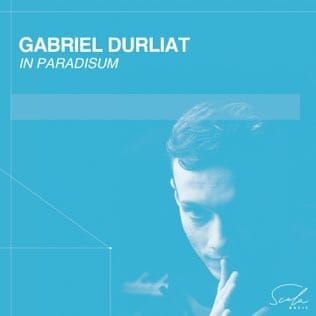
This is a lovely album. Programming is carefully consdered. The disc opens with a beautiful performance of Durrliat's own transcription of the "In Paradisim" from Fauré's Requiem. The tempo is perfect, and a sense of supra-emporal wooder suffuses. Durliat's tone is peace:
In oil coats, the granitic sonorities of Bach's Fantasy and Fugue, BWV 542 sound out. This is the Liszt transcription, the Fantasy a grand edifice, the Fugue taking advantage of the light touch available on piano to give a sense of the dance. The recording allows all detail o com though beautifully. Here's the fugue:
Lovely to have an arrangement of Fauré's Pelléas et Mélisande suite, Op. 80 here in another Durliat transciption. If the more substantive moments in the "Prélude" don't quite come off, the tempo is perfect, and I like Durliat's choral legato . Slow unfoldings seem to link back to the Bach. The "Fileuse" second movmen is even finer, hough, its quiet moto perpetual creating a slightly macabre, otherworldly scene. Durliat again finds the perfect tempo (Andtanino quasi allegretto). I is he "Sicilienne" the is famous, ad Durliat's flowing tempo refuse any toward lingerings:
Durliat sustains the final Molto adagio, the death of Melisande, well, too, his us of staccato emphasising the sparseness of texture.
Great.to have some of Bach's Art of Fugue (Die Kunst der Fuge) here, a completion of the final Contrapuncus by Durliat. At once a reminder of two recent significant recordings of BWV 1080 (Rousset and David Lively, who offers a revised ordering) ad a personal statement in and of itself, Durliat's finely considered completion is dedicated to Fauré. He offers eleven minutes of bliss, interrupted, effectively, by.a Modernist lightening strike as unexpected as it is effective:
Durliat programmes in extended silence, out of which comes a Fauré Nocturne, the expansive seventh (Op. 74, C Sharp minor). Let's bring Fauré's piano output back to the stage:
A dark tone-poem, this is a terrific performance. two more follow: the late No. 11, (Op. 104/1, F sharp-Minor, whispered loveliness written in memory of the daughter-in-law of composer Edouard Lalo. who died prematurely in 1911) and No. 13, (Op. 119, B-Minor, the composer at his most enigmatic and troubled). Here's No. 13:
Interesting to contras this with Lucas Debague on Sony Classical, part of his complete traversal of Fauré piano music across four CDs. Debague's recording is a touch richer, deeper, his peformances complementary to Durliat's. Here he is in No. 7:
In Paradisum closes with Bach via Myra Hess, the famous chorale fom BWV147, I English "Jesu, joy of man's desiring" and, it turns out, in French, "Jésu, qui me joie demure". Th curse of phone calls on hold, here it emerges as a plin of tanquility:
The disc is available at Amazon here, although it is about a tenner cheaper at Amazon.fr here. Meanwhile, the Debague/Sony set is a bargain £19.99. Streaming below.